Keep Updated
Don't miss our latest offers
Subscribe for special offers, news and new Antarctica voyages as soon as they are released.
We respect your email privacy

Your Base Camp at Sea
No dress code, no bill at the bar and no two days the same. Here is what to expect on an HX expedition ship in Antarctica, from the morning wake up call to the evening recap.
The Atmosphere
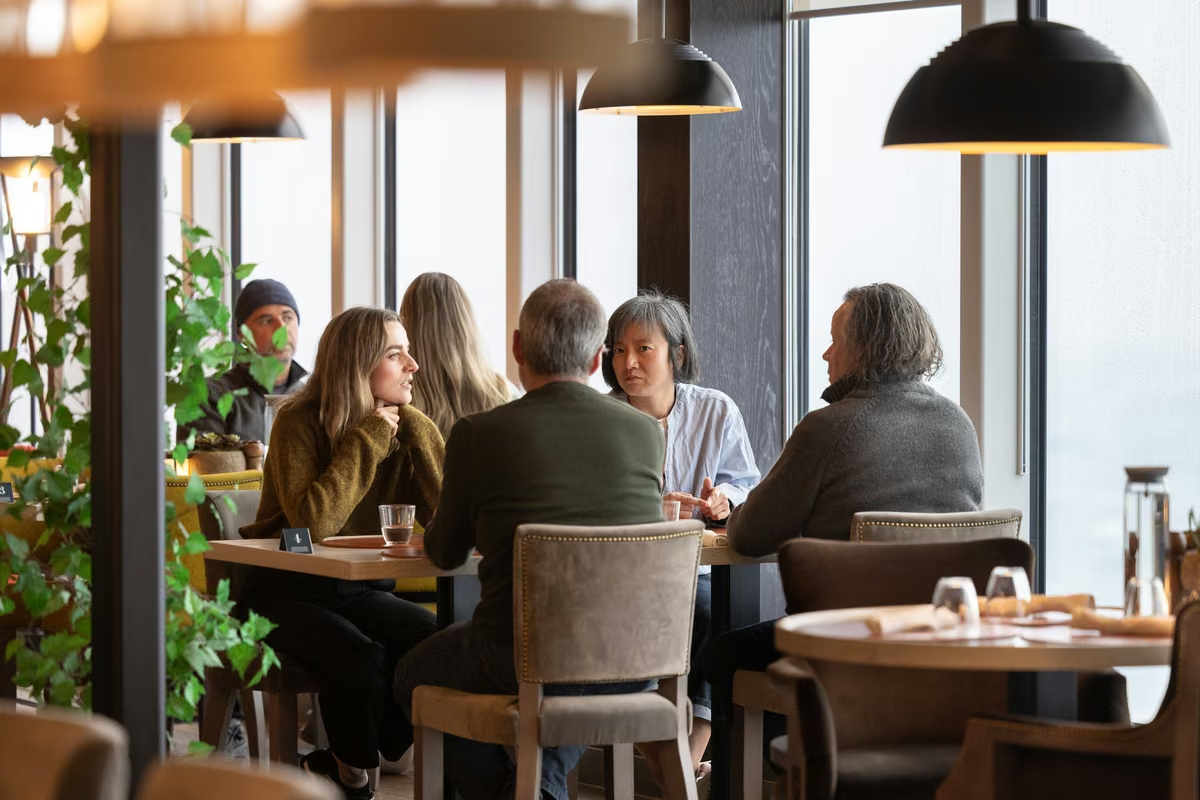
People sometimes worry that an expedition ship will feel spartan, or that a cruise ship will feel like a floating hotel with a bit of ice outside. HX ships are neither. Think of a comfortable Scandinavian lodge that happens to float: warm wood and wool, big windows, good coffee, and a crowd of people who are all there for the same reason. The Captain, crew and Expedition Team are permanent HX staff who live on board for months at a time, and they tend to be approachable and happy to chat.
Your fare covers your meals, house wine, beer and spirits, tea and coffee, gratuities, Wi-Fi and at least one included activity every day, so there is no bill waiting at the end of dinner. Our what's included page sets out the details, including the extras that come with a suite.
A Typical Day
No expedition day is quite like another, because the plan bends to the weather and the ice. But a good day on the Antarctic Peninsula tends to go something like this.
You may be woken by a gentle announcement that whales have been spotted, or simply by the light. Plenty of people take their first coffee out on deck in a jacket and slippers to see where the ship has anchored overnight. Breakfast in Aune is a generous spread of fruit, yoghurt, breads and hot dishes, and the daily programme is on the onboard app and the screens around the ship.
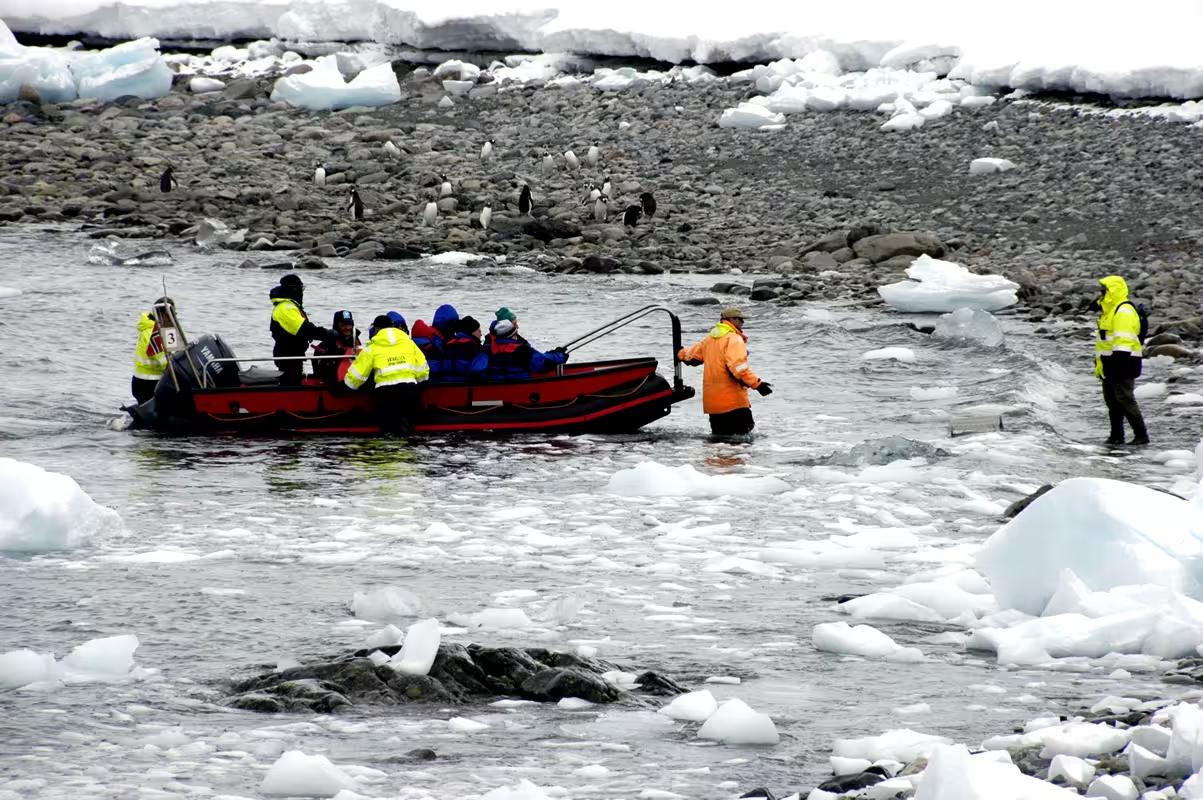
Guests are called down in groups to the expedition launch, where you pull on your loaned rubber boots, have your boots scrubbed and your card scanned, and step into a small boat. Ashore you might walk up to a gentoo colony, climb a snow slope for the view, or stand quietly watching chinstraps waddle down their penguin highways. Groups that are not ashore cruise among the icebergs in the boats, then you swap.
Back on board, lunch is a buffet in Aune or burgers and milkshakes in Fredheim on the larger ships. While the ship repositions there may be a lecture in the Science Centre, a photography workshop, or a chance to help the scientists look at plankton under the microscope. If conditions allow, there is often a second landing or boat cruise in the afternoon, and kayakers head out on their booked paddle.
Before dinner everyone gathers in the Explorer Lounge & Bar for the daily recap. The Expedition Team share what they saw, answer questions about the day's wildlife, and outline the plan for tomorrow, which is always provisional. Then it is dinner, a nightcap and, around midsummer, a long pale evening on deck that never quite turns into night.
Sea days are different again. Crossing the Drake Passage the programme fills up with talks, workshops and the mandatory IAATO and biosecurity briefings, and the decks are lined with people watching albatrosses glide alongside.
Food and Drink
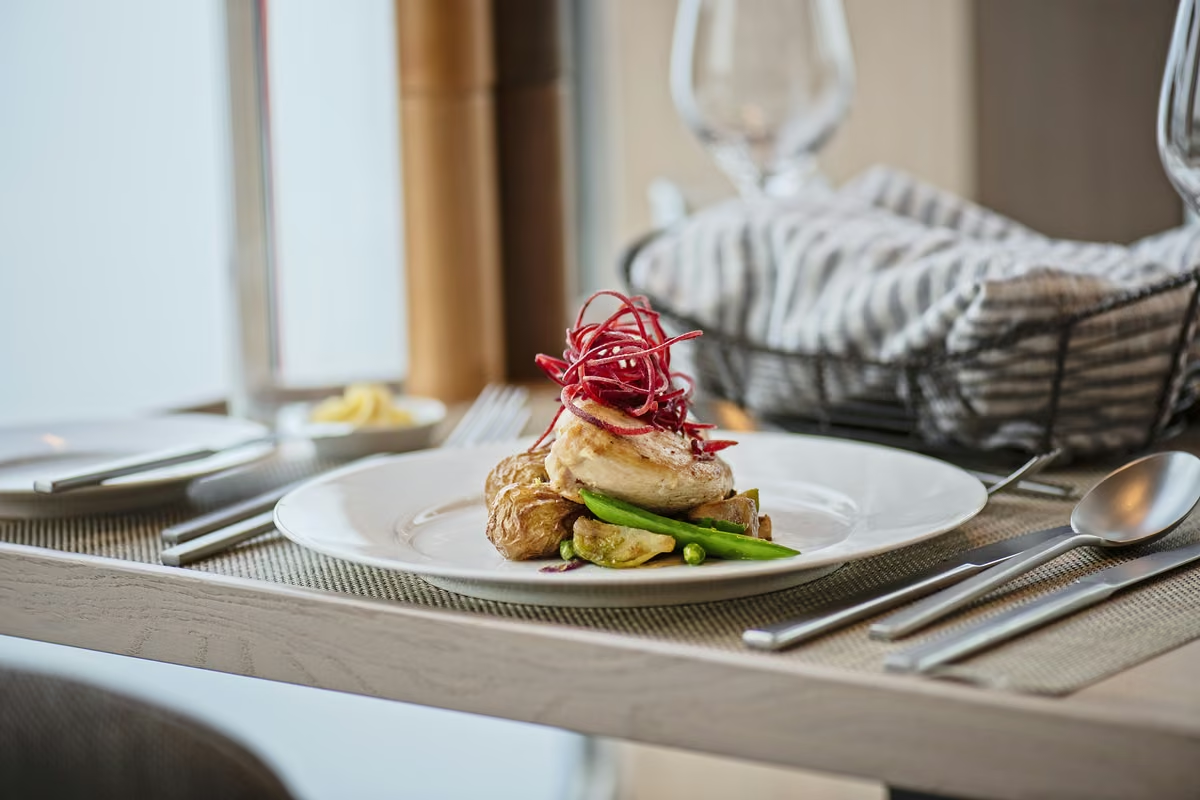
The food is one of the pleasant surprises of an HX voyage, with a Scandinavian slant and an emphasis on good ingredients. There are up to three restaurants depending on the ship.
The main restaurant on every ship. Breakfast mixes continental dishes with eggs cooked to order, lunch is a generous hot and cold buffet with plenty of puddings, and dinner is waiter served with suggested wine pairings, with a buffet on some evenings. House wine, beer and soft drinks are included.
The casual option on MS Roald Amundsen and MS Fridtjof Nansen. An open kitchen serves gourmet burgers, hot dogs, plant based dishes, milkshakes, pancakes and waffles through the day. It is very popular after a cold morning ashore. MS Fram does not have a Fredheim.
The à la carte restaurant, on all three Antarctica ships. The menu draws on the regions HX explore, with carefully presented dishes and a premium wine list. Dining here is included for suite guests; cabin guests can book a table for a charge, and many do for a special occasion.
Special diets are well catered for if you tell us when you book. Cabin guests should note that premium drinks and signature cocktails are charged; suite guests have signature cocktails, premium beers and wines by the glass included.
Your Guides
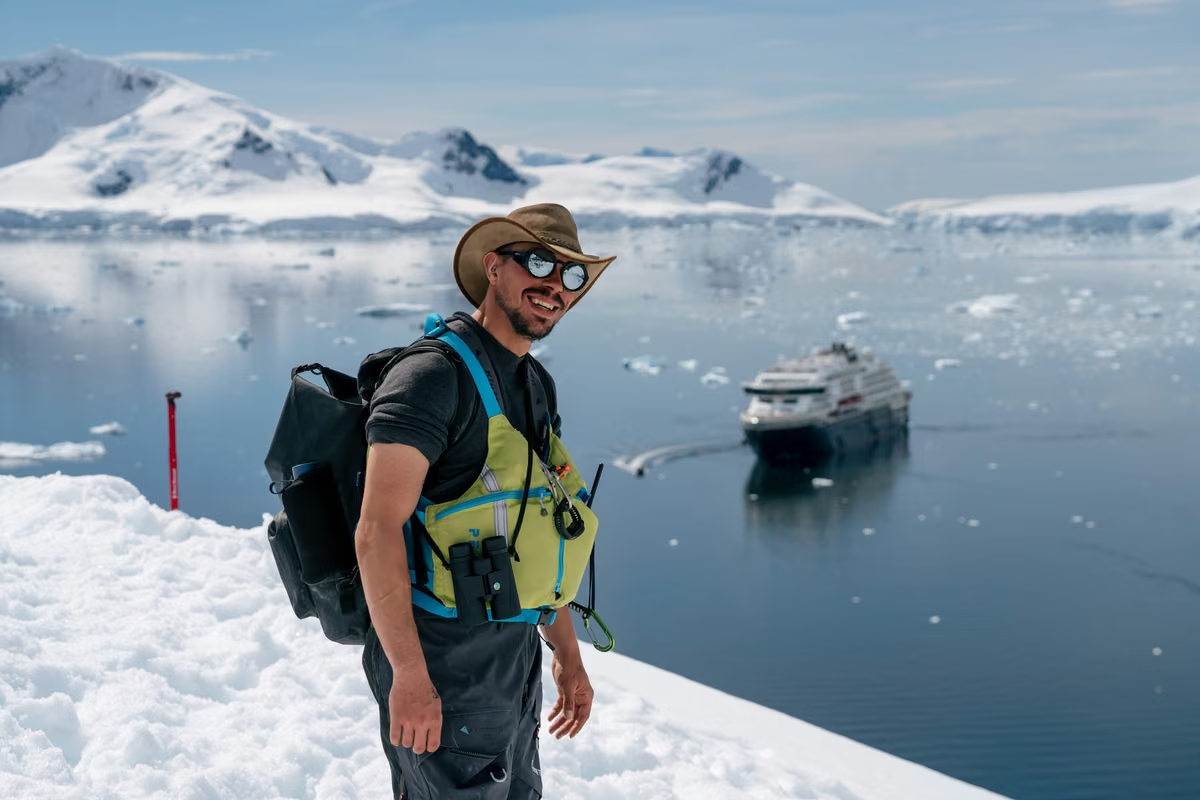
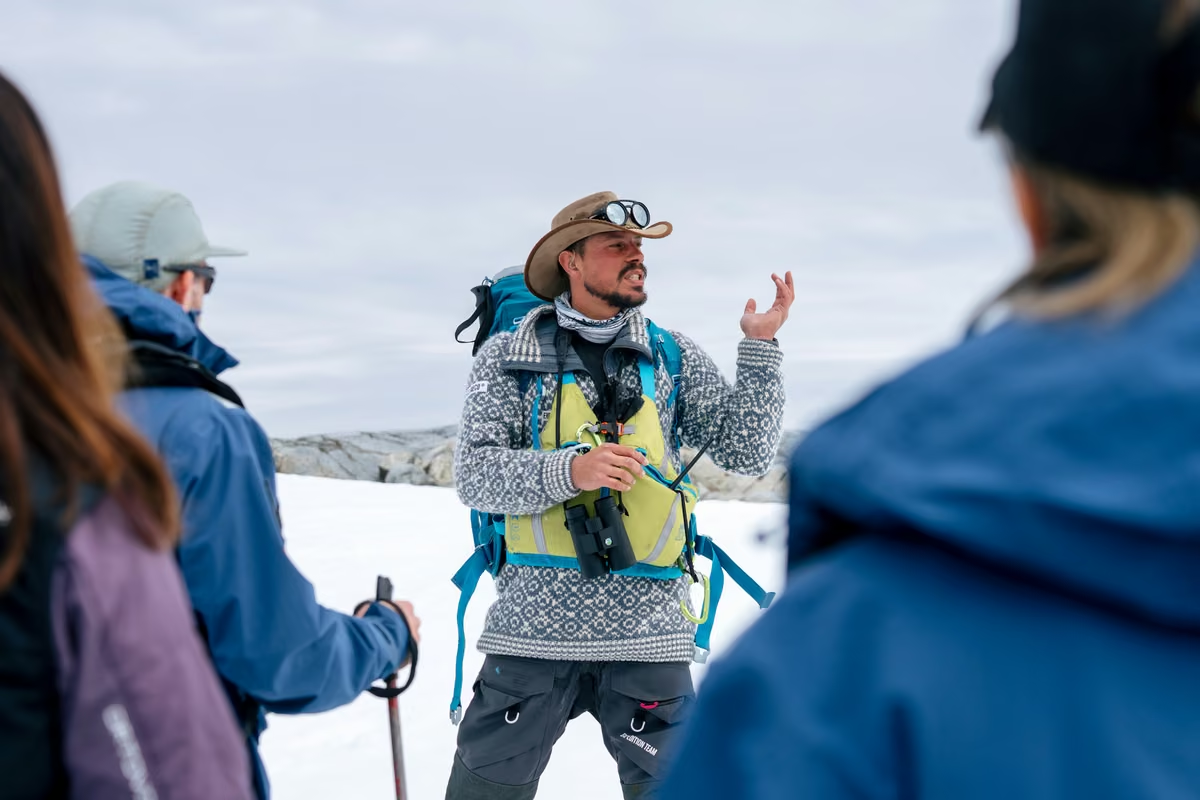
If the ship is your base camp, the Expedition Team are your guides, lecturers and boat drivers rolled into one. Each voyage carries an English speaking team of naturalists, marine biologists, geologists, historians and polar specialists, led by an Expedition Leader who works with the Captain to decide each day's plan. Many have spent years in Antarctica, some at research stations, and they are as excited by a leopard seal on an ice floe as you are.
They scout every landing site before guests go ashore, mark out paths that keep you a safe distance from the wildlife, and drive the small boats. On sea days they give the lectures. In the evenings you will find them in the bar, which is a fine time to ask the questions you forgot earlier. They are also trained to protect the places you visit, and they take the IAATO visitor guidelines seriously.
Learn as You Go
Every HX ship has a Science Centre, and on the larger ships it is one of the most popular rooms on board. Part lecture hall, part library and part laboratory, it has high powered microscopes, big screens and reference books, and it is where the Expedition Team bring back samples of seawater, krill and plankton for you to examine. On some voyages you can watch footage from underwater drones exploring beneath the ship.
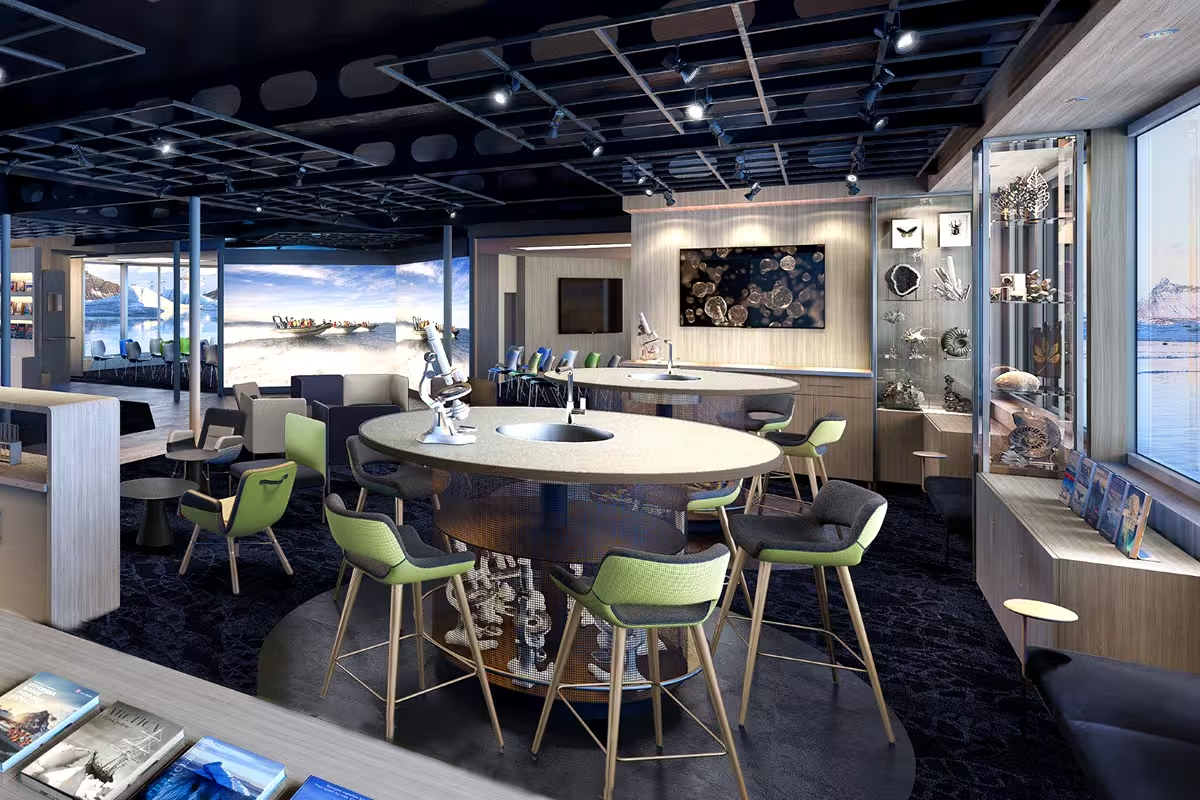
HX also invite visiting scientists on board to carry out their own research, and you can help. The Citizen Science programme lets guests collect real data that is used by researchers around the world. Three of the projects you are most likely to meet in Antarctica are:
Nobody has to take part, but many guests find it gives their photographs and wildlife watching a real purpose. It is a lovely thing for grandchildren to hear about, too.
Unwind
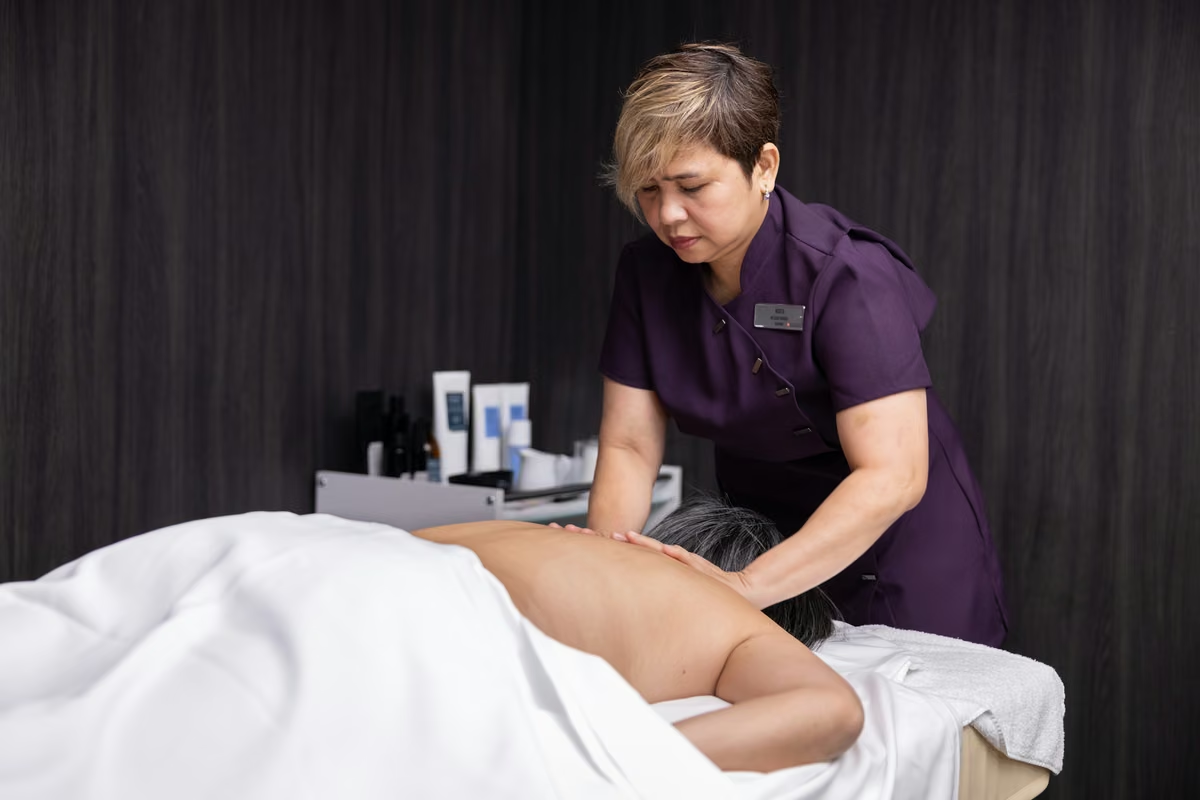
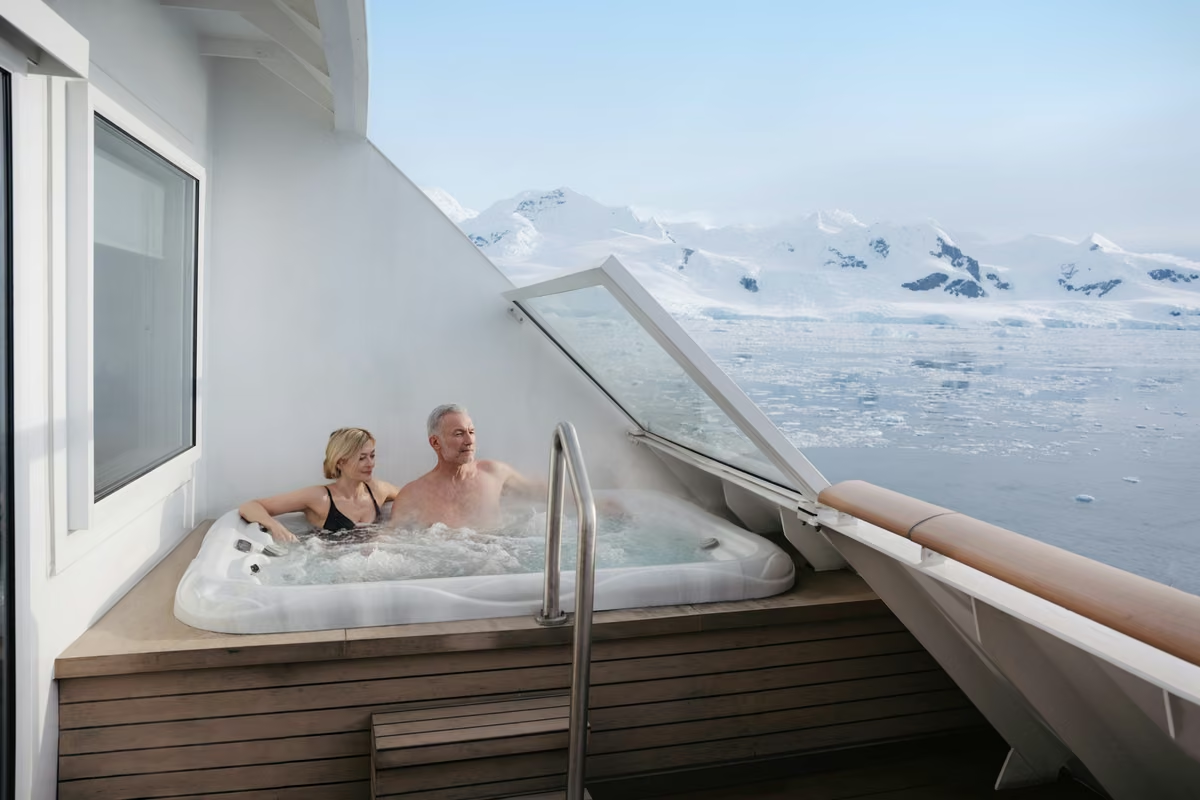
There is something special about sitting in a hot tub with snow on the mountains and ice in the water. All three ships have outdoor hot tubs and a sauna, and the sauna on MS Roald Amundsen and MS Fridtjof Nansen has panoramic windows. The two hybrid ships also have an infinity pool, an outdoor gym, a 150 metre outdoor running track and a wellness area and spa offering massages and treatments for an extra charge. MS Fram has a compact fitness room. On some voyages there are yoga or stretching sessions too, and after a day of clambering in and out of boats your legs will thank you for them.
Travelling Alone
Antarctica attracts a lot of solo travellers, and HX ships are easy places to be on your own. There is a welcome drinks reception for solo guests early in the voyage, and at meals the restaurant manager will ask whether you would like to join others or have a table to yourself, so you can be as sociable or as private as you like. With landings, lectures and the evening recap, you will be on first name terms with half the ship within a couple of days.
Fares are based on two sharing, and a single supplement usually applies. HX do run offers with no single supplement on selected departures and cabins, so it is always worth asking us what is available for your dates.
Good to Know
The only dress code is that there is no dress code. Fleeces and walking trousers are perfectly normal at dinner, even in Lindstrøm, and nobody packs a dinner jacket. Bring comfortable layers and indoor shoes, and leave the formal wear at home. HX give you a polar expedition jacket to keep, and rubber boots are lent to you for landings. Our packing list covers the rest.
Wi-Fi is included on every voyage, delivered by Starlink satellite. It is fine for email, messages and posting a photo or two, but it is not suitable for streaming films or video calls, and speeds vary in remote areas. There is no mobile phone signal in Antarctica itself. Most people find that being largely offline is one of the great pleasures of the trip.
Every voyage carries a professional photographer who runs workshops on board and photographs the voyage as it happens. You receive a digital album of their pictures after you get home, which is included in the fare. They will help whether you are using a serious camera or a phone. For our own tips on cameras, batteries and keeping lenses dry, see the photography section of our practical information page.